British Columbia is a bucket-list destination for skiers from around the world — and for good reason. With legendary snow, postcard-worthy landscapes, and access to both world-renowned resorts and hidden gems, BC is where ski dreams meet wild adventure. But if it’s your first ski trip to this part of Canada, the excitement can easily mix with overwhelm.
Where should you go? What do you really need to pack? And is all that backcountry talk actually relevant to a beginner?
In this article, we’ll break down the top five things first-timers should know before booking their ski trip in BC — including the small details that can make or break your experience. Whether you're heading to Whistler, Sun Peaks, or a more remote cat-skiing lodge, these insights will help you arrive prepared and leave wanting more.
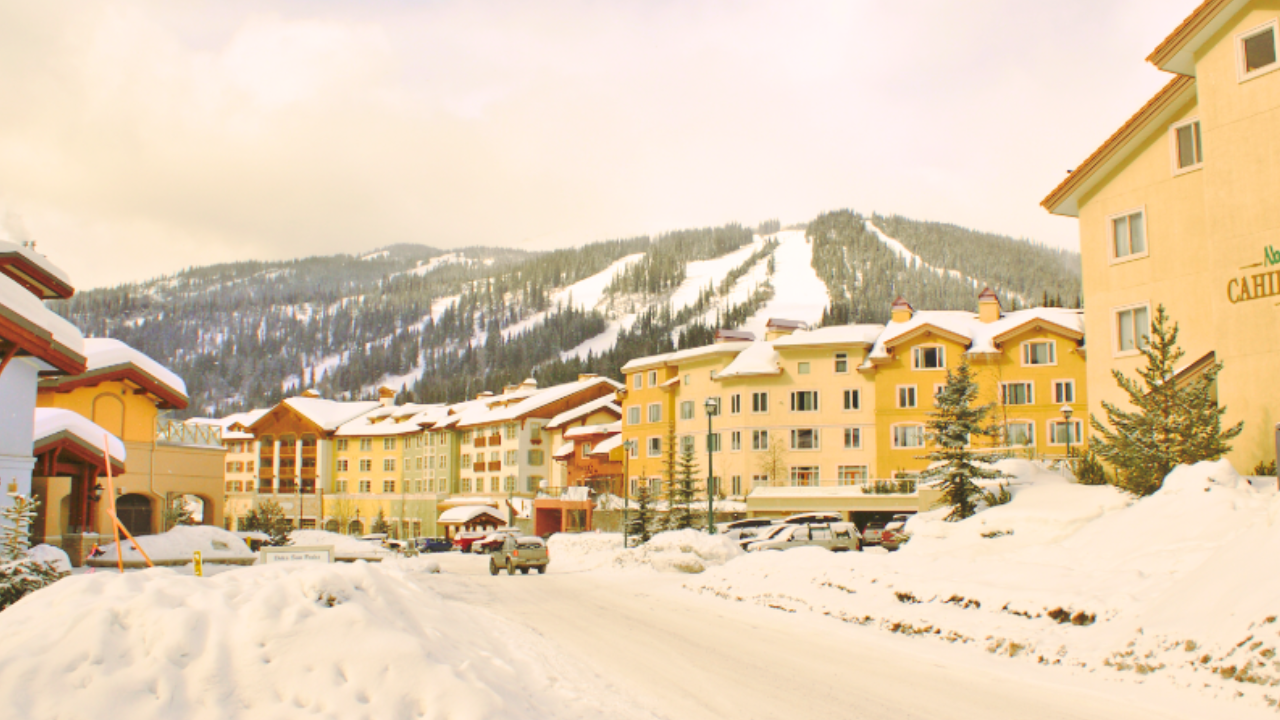
1. BC Skiing Isn’t Just About Resorts — And That’s a Good Thing
Most people associate skiing with lift lines and resort trails, but BC offers more than that. In fact, many travelers are surprised to learn that experiences like guided ski tours, cat-skiing, and even heli-skiing are accessible even to adventurous beginners — especially when paired with professional guides.
Tour operators across BC design packages that cater to newcomers without watering down the thrill. These guided options solve a common problem for first-timers: planning fatigue. Instead of piecing together lift tickets, gear, lodging, and local transport, many BC outfitters bundle it into one seamless trip. This allows beginners to skip the guesswork and enjoy a curated experience designed with their comfort (and progress) in mind.
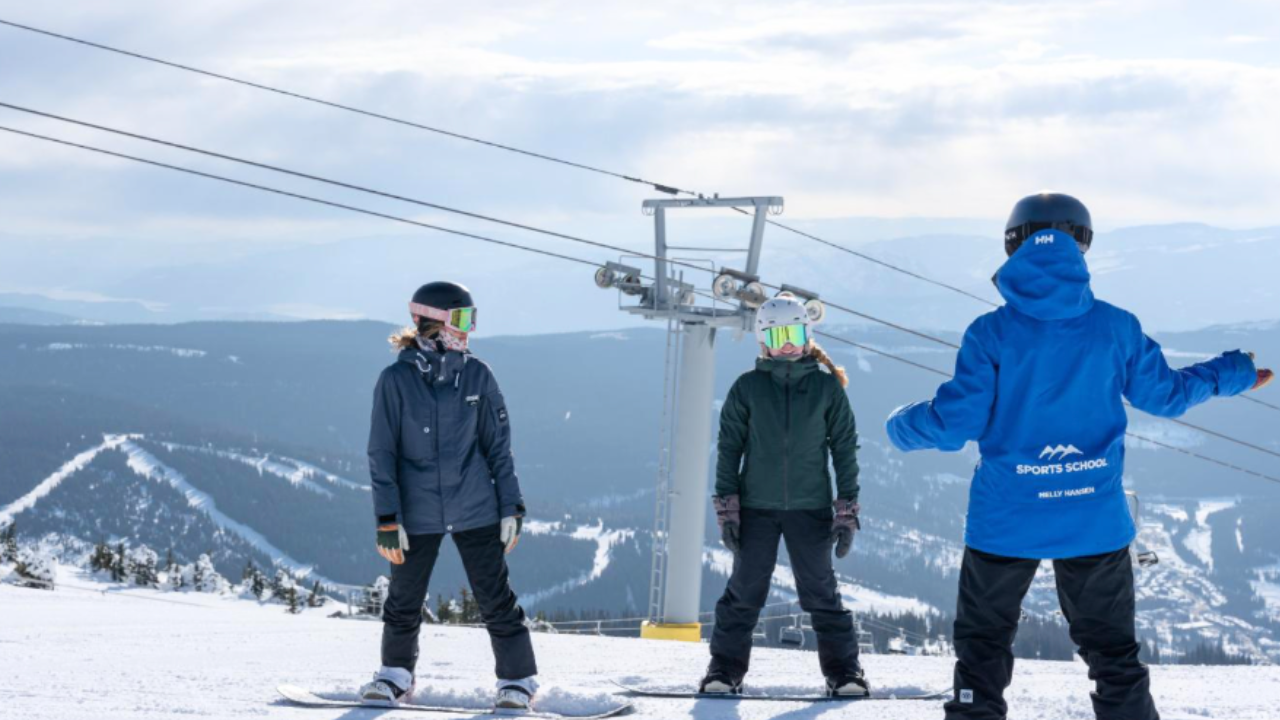
2. The Right Destination Can Make or Break Your First Trip
Not all ski destinations in BC are created equal for beginners — and picking the wrong one could be discouraging.
Whistler Blackcomb, for example, is massive and offers a great mix of terrain, but it can be overwhelming on a busy weekend. Sun Peaks, on the other hand, is more relaxed, with wide open beginner runs and fewer crowds — ideal for building confidence. Revelstoke is famous for powder and backcountry access, but it’s better suited for intermediate skiers unless you’re part of a guided tour.
Several tour companies specialize in helping skiers choose the right fit, offering custom itineraries based on your skill level, interests, and pace. This not only saves time, but ensures you aren’t stuck on slopes that are too steep, too crowded, or too advanced.
3. Renting Gear Is Often Smarter Than Buying It (at First)
One of the biggest questions beginners ask is: Do I need to buy all my own gear? The short answer: Not for your first trip.
Most ski towns and tour providers in BC offer high-quality rental packages that include skis or a snowboard, boots, poles, helmets, and sometimes outerwear. This lets you try different brands and styles before investing in expensive gear — and gives you the freedom to travel lighter.
Renting also ensures your equipment is properly fitted and adjusted by professionals, which can significantly impact your comfort and safety on the slopes.
[Insert image of rental shop or guided ski fitting]
4. Guides Aren’t Just for Experts — They’re for Smart Beginners Too
There’s a myth that ski guides are only for elite skiers tackling big mountains. In BC, guides often serve as educators, mentors, and safety leaders — especially in backcountry or off-resort terrain.
Many first-timers who sign up for cat-skiing trips or intro-to-backcountry experiences rave about how much faster they progressed. With an ACMG-certified guide (a professional designation in Canada), beginners get personalized coaching, route planning, avalanche safety briefings, and local insights that elevate the whole experience.
This is particularly helpful if you're traveling solo or with a small group and want a low-stress, high-reward adventure without getting in over your head.
5. Timing Your Trip Matters More Than You Think
Ski season in BC typically runs from late November to early April, but conditions — and crowds — vary by region and time of year.
If you're just starting out, January and February often provide the best mix of snow quality and manageable weather. But those are also high-season months, meaning more people and higher prices. March can be a sweet spot: slightly warmer temperatures, good snowpack, and better package deals.
Some operators offer early-bird pricing or shoulder-season discounts, especially if you're booking a multi-day tour. It’s worth signing up for updates from providers or browsing curated winter experiences ahead of time to catch these deals.